
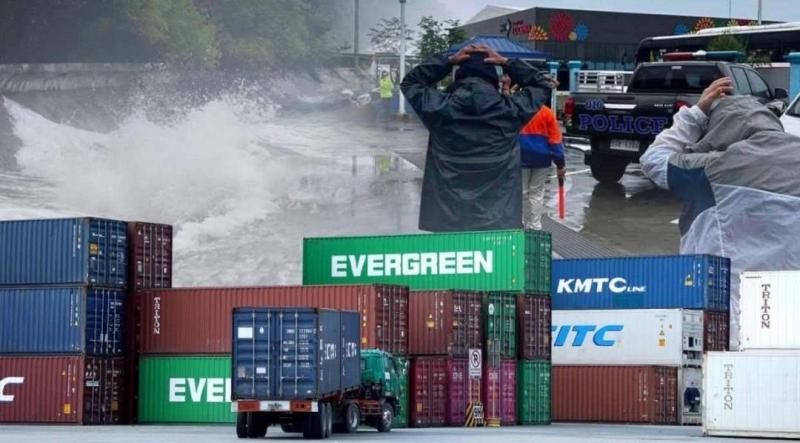
PPA strengthens port infrastructure, emergency protocols, and continuity measures to ensure safe and reliable port operations during disasters.
14 SEPTEMBER 2026 – As an archipelagic nation exposed to multiple natural hazards, the Philippines remains highly vulnerable to typhoons, earthquakes, floods, storm surges, and other disasters. The country ranked first in the 2024 WorldRiskIndex, underscoring the need for stronger disaster preparedness and resilience, particularly for critical infrastructure such as ports that connect the country’s islands and serve as lifelines for the movement of people and essential goods.
Recognizing the critical role of ports during emergencies, the Philippine Ports Authority (PPA) has been continuously strengthening its infrastructure, emergency protocols, and business continuity measures. The Authority also regularly conducts disaster preparedness drills, simulations, and scenario-based exercises to test the readiness of its personnel and facilities and ensure that appropriate response measures can be activated when typhoons, earthquakes, or other hazards strike.
“Ang mga pantalan natin ay hindi lang basta lugar kung saan sumasakay at bumababa ang mga pasahero o naglo-load at unload ng mga kargamento. During disasters, they can become even more critical dahil dito dumadaan ang pagkain, fuel, medical supplies, relief goods, at iba pang pangangailangan ng ating mga kababayan,” PPA General Manager Jay Santiago said.
“Kaya mahalaga na lagi tayong handa. Hindi lang dapat matibay ang ating mga pasilidad, dapat handa rin ang ating mga tao at systems to respond when an emergency happens. We continue to conduct drills, test different scenarios, strengthen coordination, and improve our infrastructure so that when a disaster comes, our ports can continue serving as safe and reliable lifelines for the country,” GM Santiago added.
PORT READINESS
The agency incorporates climate- and disaster-resilient measures into the design, upgrading, and construction of port facilities, particularly in areas exposed to earthquakes, liquefaction, typhoons, storm surges, wave action, and sea-level rise. Among these measures is the upgrading of pavement and deck capacities from 500 pounds per square foot, or approximately 2.4 tons per square meter, to 750 pounds per square foot, or 3.6 tons per square meter. Major ports handling ship-to-shore cranes may be designed for capacities of up to 1,000 pounds per square foot.
Selected piers and wharves are also being raised from approximately +3.00 meters to +3.50 meters above Mean Lower Low Water (MLLW) to provide greater protection against elevated water levels and coastal hazards.
To reduce the effects of strong waves and storm surges, breakwaters are being upgraded or constructed in selected ports, including Abra de Ilog and Nasugbu, Batangas. Applicable projects are provided with higher crest elevations, increasing from approximately +3.00 meters to +3.50 meters.
Other structural measures include reinforced concrete wharf piers supported by concrete or steel piles to improve structural strength against wave action. Deflector walls are also being constructed in back-up areas where wave overtopping has been observed, including ports such as Virac and Legazpi.
The design of rock causeways and retaining structures is likewise adapted to the geographical and environmental conditions of individual ports, including the use of gentler slopes where appropriate.
The agency also follows applicable provisions of the National Structural Code of the Philippines in the analysis and design of port infrastructure, taking into account seismic loads, wind loads, and other relevant engineering parameters. Beyond physical infrastructure, operational measures are in place to guide port personnel when hazards threaten normal activities.
Under the PPA Disaster Risk Reduction and Management Manual, Port Management Offices (PMOs) implement emergency response protocols and preparedness measures based on the nature and severity of a hazard. These include coordination with the Philippine Coast Guard (PCG), local Disaster Risk Reduction and Management Offices (DRRMOs), local government units (LGUs), the Department of Social Welfare and Development (DSWD), and other concerned agencies for passenger assistance, emergency response, information-sharing, and other necessary interventions. Disaster management teams and response mechanisms are also maintained at the port level to implement emergency measures, assist affected passengers and stakeholders, and facilitate timely reporting to management.
MOVEMENT SECURED
Patient Transport Vehicles (PTVs) are likewise maintained on standby at PMOs to provide immediate transport assistance during medical emergencies within port premises. These vehicles support the prompt movement of passengers, port users, and personnel who may require medical attention, particularly when immediate transport to the nearest medical facility is necessary. These measures are supported by Memorandum Circular No. 15-2018, which mandated the implementation of the Public Service Continuity Plan (PSCP). The plan provides a framework for maintaining essential port services during disasters while addressing the protection of passengers and personnel, facility security, and the timely restoration of operations.
When a disaster poses an immediate threat to life and property, operational restrictions may be imposed, including the suspension of passenger and cargo activities in affected areas, based on assessments and advisories from relevant authorities. Passengers affected by such disruptions are provided with timely information and assistance, while coordination with concerned agencies and stakeholders facilitates appropriate arrangements and the safe resumption of operations. Such measures are particularly critical when disasters affect land-based transportation, as ports can provide vital links for the movement of food, fuel, medical supplies, relief goods, and other essential commodities.
By combining risk-informed engineering, strengthened infrastructure, regular preparedness exercises, emergency response protocols, inter-agency coordination, and continuity planning, the Authority continues to prepare its ports not only to withstand natural hazards, but also to remain dependable lifelines for the Filipino people when they are needed most.
###